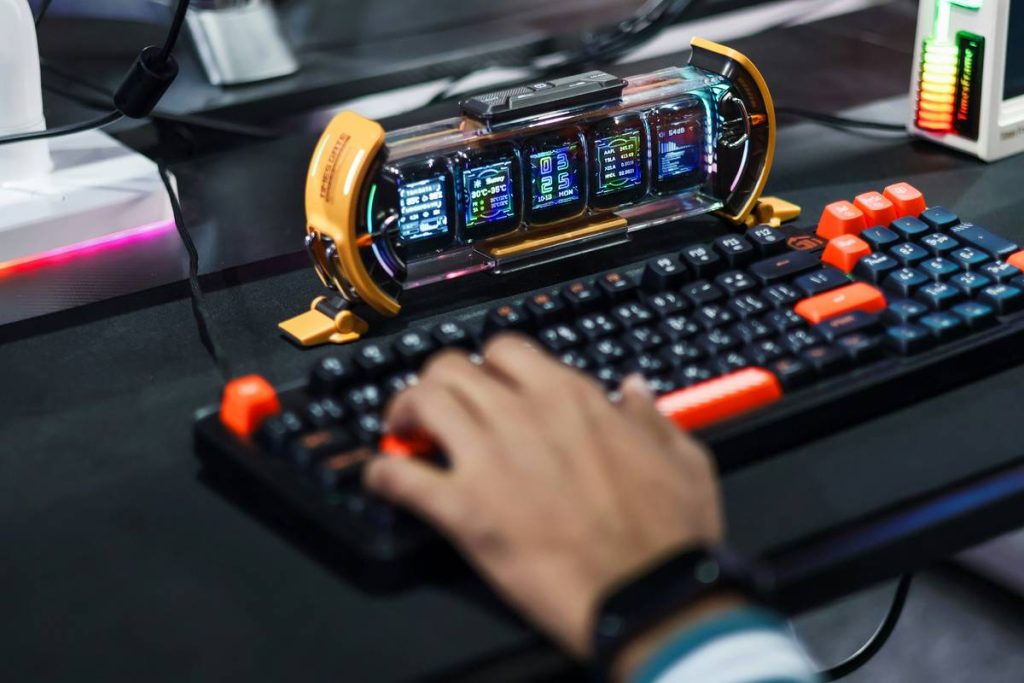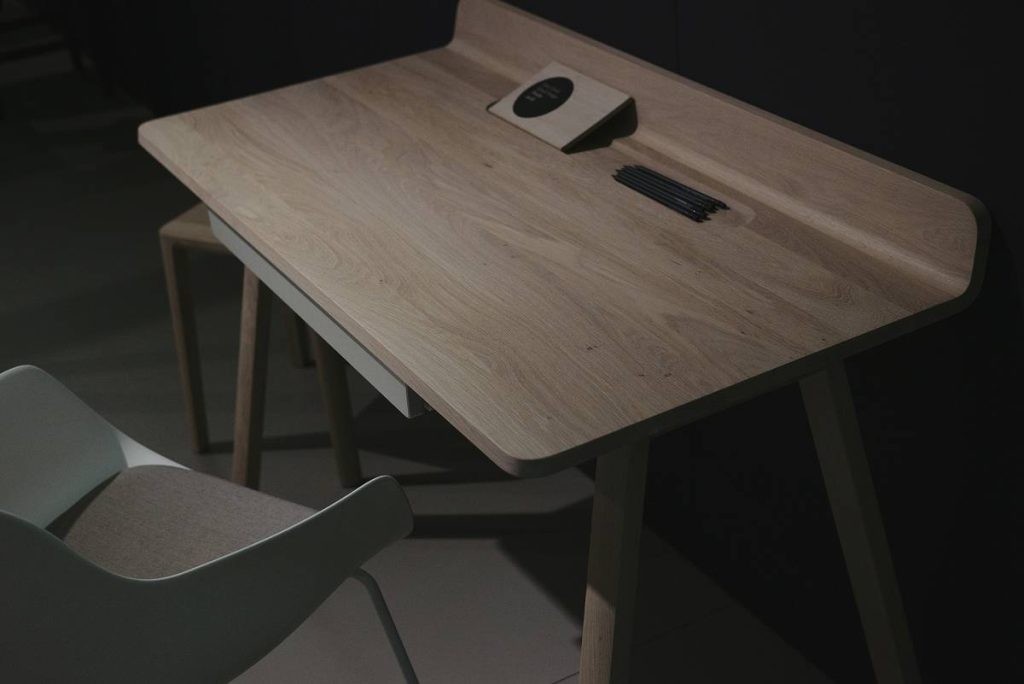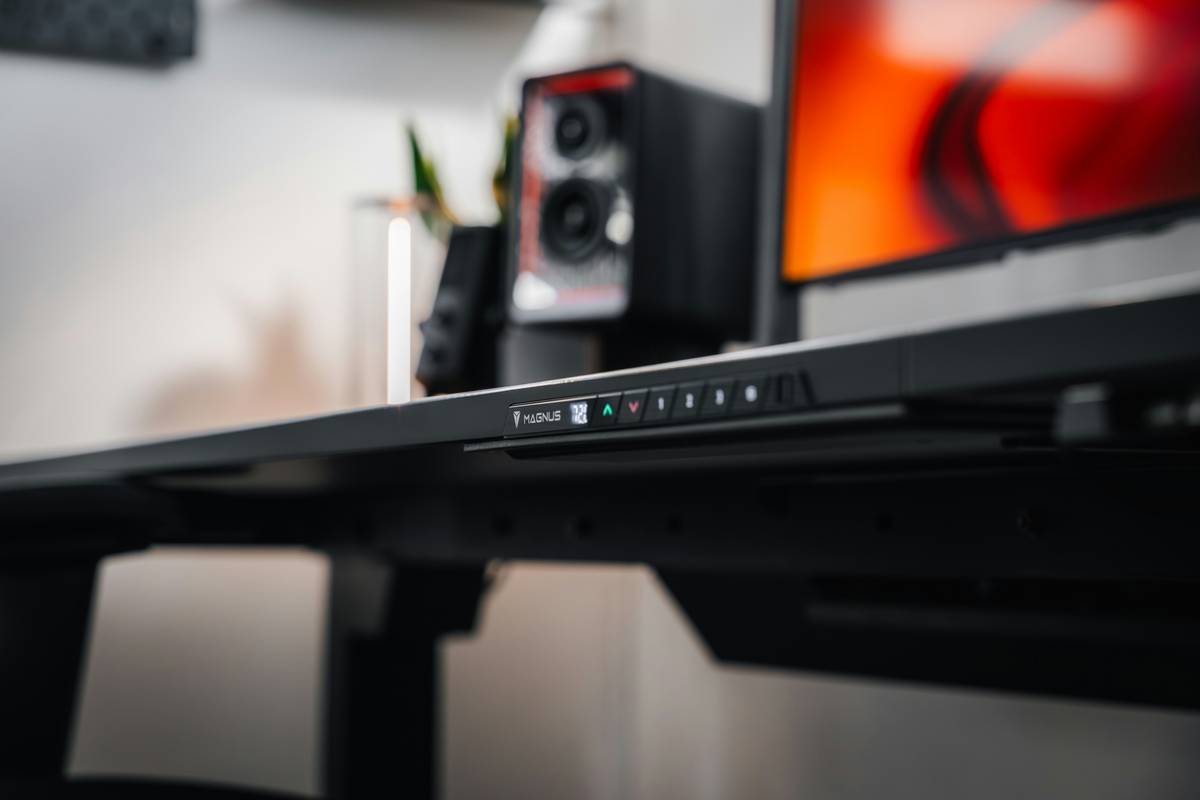
You bought “smart” furniture. It promised seamless control, intuitive design, effortless integration. Yet here you are—juggling five apps, resetting Wi-Fi daily, and wondering why your “connected” couch feels more like a paperweight. The problem isn’t your taste. It’s the fragmented ecosystem. Enter uni smart devices wifi: the missing link that turns disjointed gadgets into a responsive, unified living experience.
The Fragmentation Trap in Smart Furniture
Most so-called smart furniture isn’t truly intelligent—it’s just retrofitted with off-the-shelf modules slapped onto wood or metal. And it shows. You’ve got Bluetooth speakers in your ottoman, Zigbee lights in your shelves, and a Wi-Fi-enabled coffee table that refuses to talk to either. Interoperability? Forget it.
The industry’s dirty little secret: many brands prioritize aesthetics over actual connectivity. They assume you’ll tolerate clunky UX as long as the piece looks Instagrammable. But real connected living demands reliability—not just sleek lines.
How to Build a Cohesive Smart Furniture Ecosystem with uni smart devices wifi
Forget bolting tech onto furniture after the fact. Start with a protocol-first mindset. That means prioritizing Wi-Fi 6 compatibility, local processing (not cloud-dependent commands), and—critically—a unified backend. Uni smart devices wifi solves this by embedding native Wi-Fi chips that communicate under one firmware umbrella.
Choose Furniture With Embedded Intelligence, Not Add-Ons
If the USB port sticks out like a sore thumb or the app was clearly outsourced to a third-party dev shop, walk away. True smart furniture hides its tech—until you need it.
Verify Local Control Capabilities
Your recliner shouldn’t require an internet connection to adjust. Demand devices that work offline via local network commands. Cloud-only = vulnerability + lag.
Test Cross-Device Sync Before Buying
Bring your phone and test real-time sync between your smart lamp, side table, and media console in-store—or demand a live demo. If they hesitate, there’s a reason.

| Feature | Traditional Smart Furniture | Uni Smart Devices Wifi Integration |
|---|---|---|
| Protocol | Mixed (Bluetooth/Zigbee/Proprietary RF) | Unified Wi-Fi 6 (802.11ax) |
| App Dependency | Multiple apps per brand | Single dashboard across all pieces |
| Firmware Updates | Rare or manual | Automatic, OTA, secure |
| Offline Functionality | Limited or none | Full core features operable locally |
| Average Setup Time | 45+ minutes per item | Under 10 minutes total |
The Industry Secret: Firmware Is the Real Differentiator
Here’s what no marketing team will tell you: hardware is cheap. Everyone uses the same MediaTek or Espressif chips. The magic—and the margin—is in the firmware. Brands using uni smart devices wifi invest in edge-computing firmware that processes commands on-device. No round-trip to a server in Oregon. No 2-second delay when dimming your shelf lights. Just instant response.
And because it’s all Wi-Fi native, your furniture becomes part of your mesh network—not a dead zone generator. Think about it: your bookshelf boosting signal strength while charging your phone wirelessly? That’s not sci-fi. It’s available today—if you know where to look.

FAQ
Do I need a new router for uni smart devices wifi furniture?
No. Any modern Wi-Fi 5 (802.11ac) or Wi-Fi 6 router works. For best performance with 5+ devices, Wi-Fi 6 is recommended—but not mandatory.
Can existing furniture be upgraded to use uni smart devices wifi?
Only if it’s from a compatible manufacturer with modular tech bays. Most retrofit kits create more problems than they solve—start fresh instead.
Is uni smart devices wifi secure against hacking?
Yes. It uses WPA3 encryption, local authentication, and isolated VLAN support. Unlike cloud-reliant systems, your commands never leave your home network unless you choose to integrate with Alexa or Google.