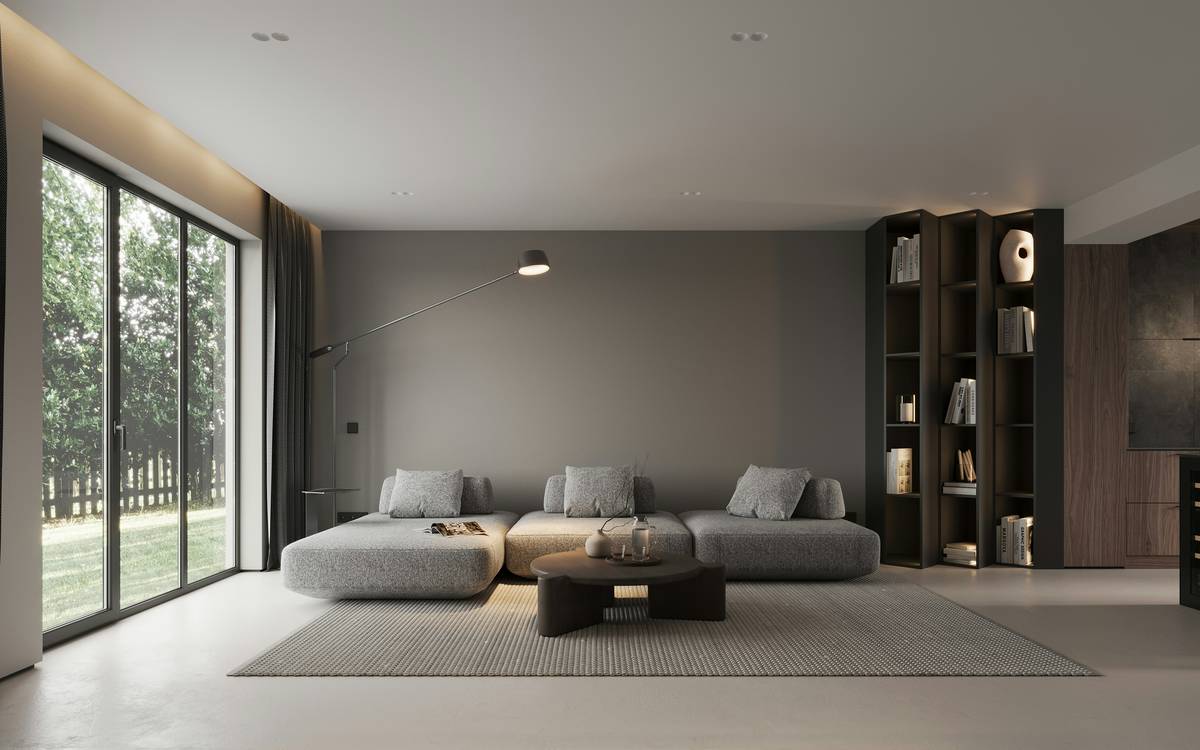
Your living room feels outdated—not because the couch is ripped, but because it’s silent. It doesn’t adjust. It doesn’t respond. It just… sits there. Meanwhile, your phone knows your coffee order, your car parks itself, and your lights dim based on sunset data. Yet your furniture remains stubbornly dumb. That disconnect isn’t just inconvenient—it’s a missed opportunity to reclaim time, space, and sanity. Enter smart objects in iot: not as gimmicks, but as intuitive extensions of daily life.
Why Traditional Furniture Can’t Keep Up
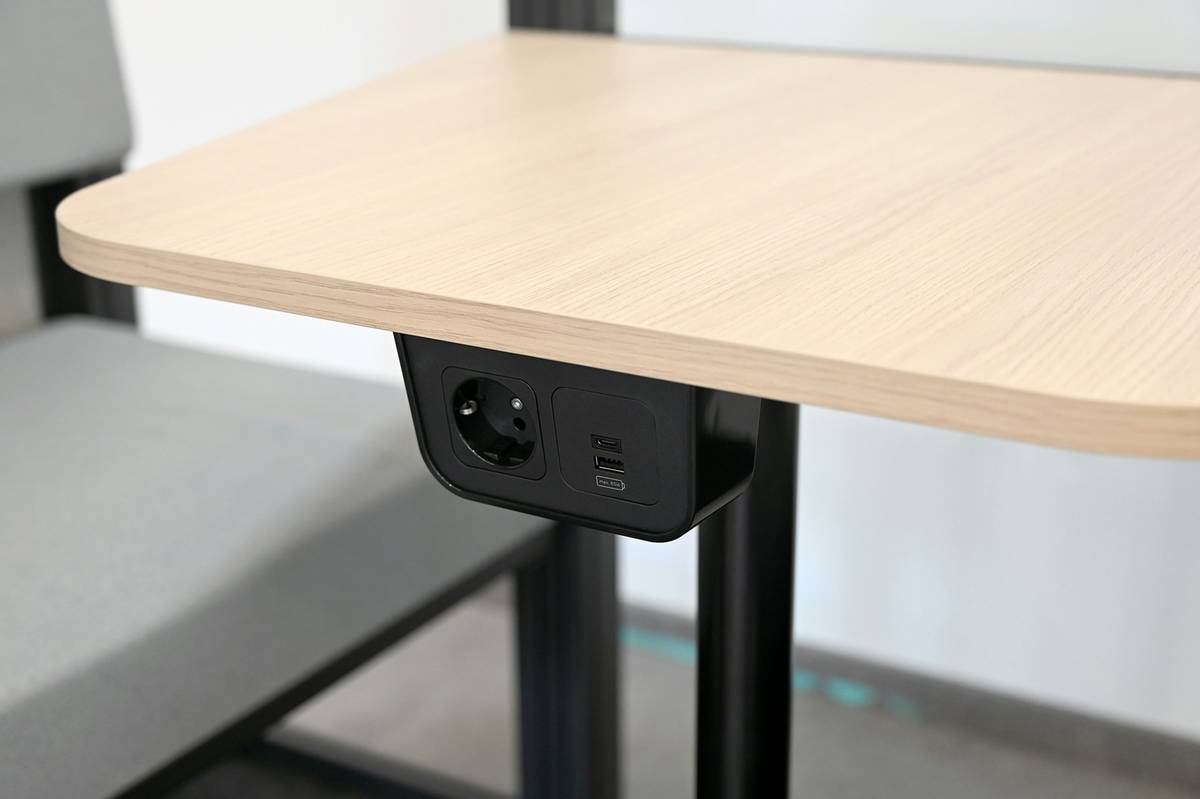
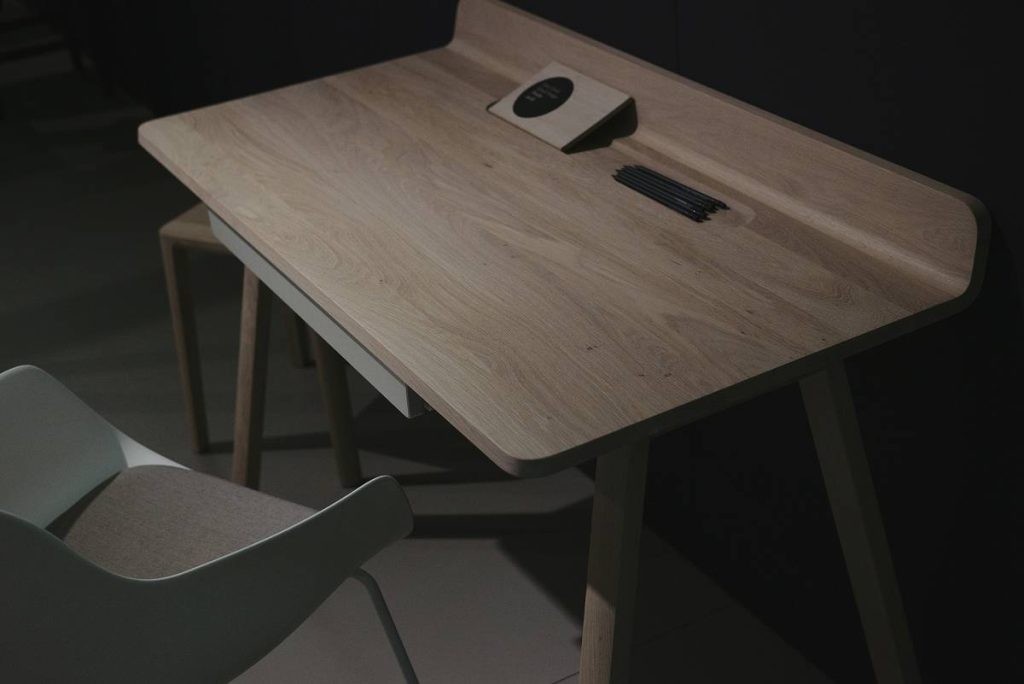
Legacy furniture design assumes static human behavior. Big mistake. We move, multitask, recharge, and shift moods hourly. A fixed-height desk forces posture compromise. A non-adjustable sofa ignores lumbar fatigue. And let’s be honest—most “smart” furniture sold today is just wood slapped with a Bluetooth speaker. Surface-level tech fails because it ignores context. Real intelligence adapts to *you*, not the other way around. Without sensors, feedback loops, and edge computing built into the frame itself, you’re buying a prop—not a partner.
How to Integrate Smart Objects in IoT Into Your Home (Without Regretting It)
Start with intent. Don’t automate for automation’s sake. Ask: What friction points drain your energy daily? Morning chaos? Cluttered work-from-home setups? Poor sleep hygiene? Target those. Then layer in hardware that solves *only* that problem—nothing extra.
Selecting the Right Smart Furniture Components
Prioritize modularity. A bed with embedded sleep tracking should allow sensor upgrades without replacing the whole frame. Same for desks: motorized height adjustment must support third-party APIs so your calendar can auto-lower it when Zoom ends. Avoid vendor lock-in like expired yogurt.
Budget vs. Value: Where to Splurge (and Skip)
You don’t need $5,000 “AI sofas.” But skimping on core infrastructure—like power delivery or mesh networking within walls—creates bottlenecks. Invest in hidden bones, not flashy skins.
| Feature | Low-Cost Approach | Premium Approach | Long-Term ROI |
|---|---|---|---|
| Height-Adjustable Desk | Standalone motor kit ($180) | Integrated frame with posture AI ($1,200) | High (reduces chronic pain costs) |
| Smart Bed Base | Add-on under-mattress sensor ($99) | Fully integrated system with climate + snore detection ($2,400) | Moderate (sleep quality gains plateau) |
| Storage Units | RFID-tagged bins + app ($60) | Motorized cabinets with voice + vision recognition ($800) | Low (novelty fades fast) |
The Industry Secret No One Talks About
Here’s what manufacturers won’t admit: most smart furniture stops being “smart” the moment firmware updates cease—which happens, on average, after 18 months. Why? Because margins vanish once the initial sale clears. The real differentiator isn’t the motor or the app—it’s the company’s commitment to over-the-air longevity. I’ve seen clients rip out $3K modular sofas because the API was deprecated, rendering motion controls useless. Ask this before buying: “What’s your end-of-life policy for software support?” If they hesitate, walk away. True smart objects in iot are built to evolve—not expire.
Frequently Asked Questions
Do smart furniture devices slow down my home Wi-Fi?
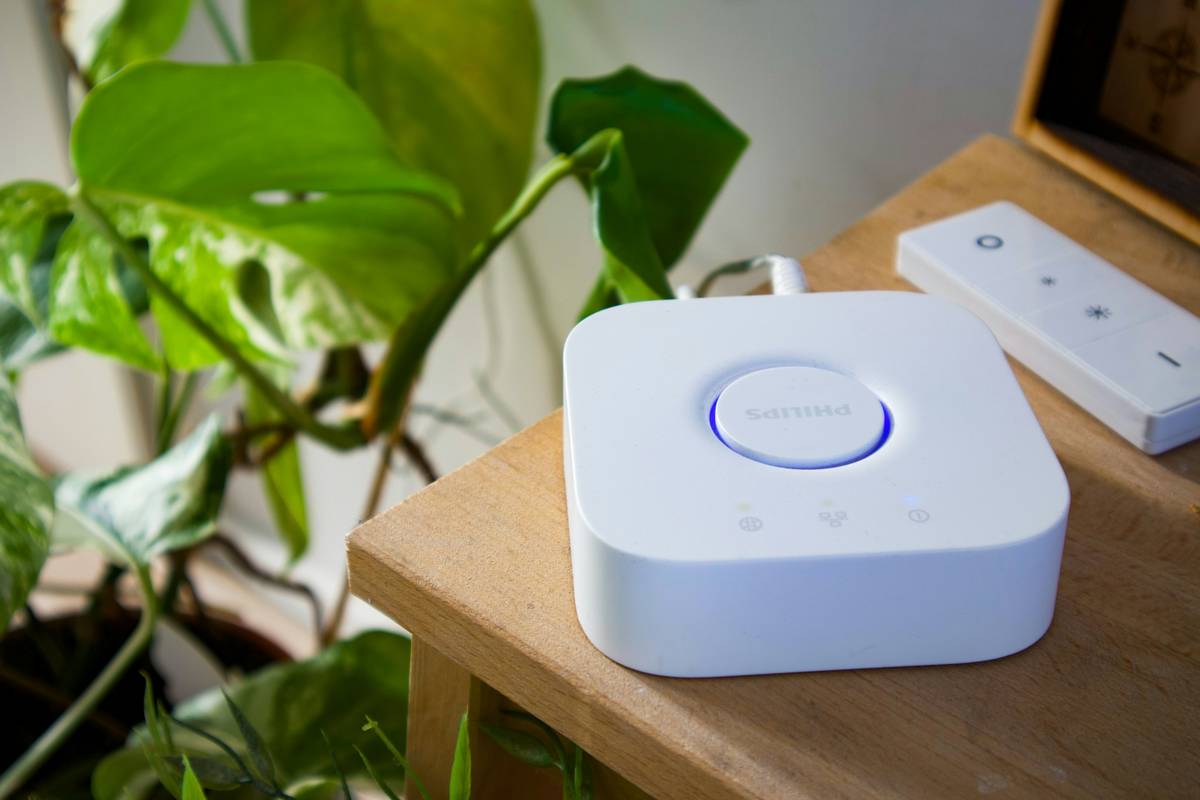
Usually not—if they use Zigbee or Thread instead of Wi-Fi. Prioritize Matter-compatible devices; they offload traffic from your main network.
Can I retrofit old furniture with smart objects in iot tech?
Yes. Linear actuators, pressure mats, and NFC tags can breathe intelligence into vintage pieces—often for under $150.
Are privacy risks real with connected furniture?
Absolutely. Beds tracking biometrics or sofas with cameras demand strict data encryption. Never buy units that store raw sensor data on third-party clouds.