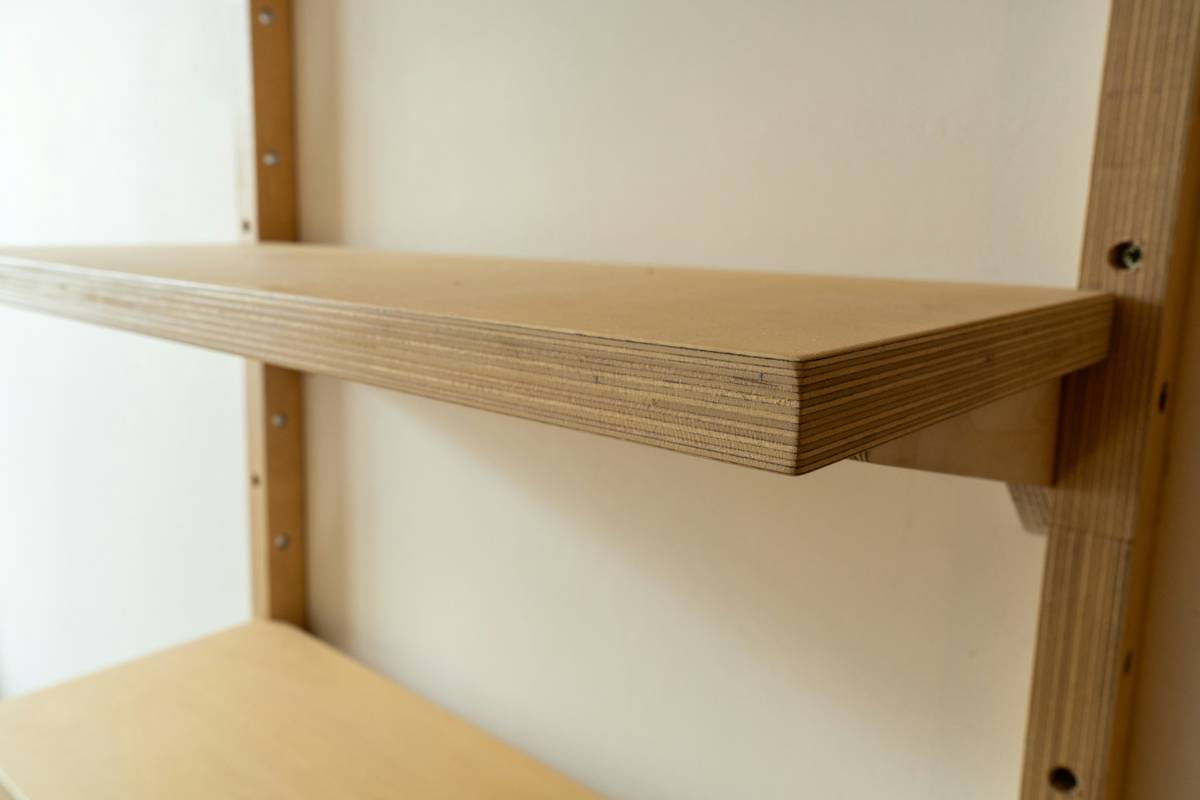
Staring at a crammed apartment, wondering where your laptop—and your sanity—will fit? You’re not alone. With remote work here to stay and urban square footage shrinking, homeowners and renters alike are ditching bulky desks for smarter solutions. Enter the foldable wall desk smart furniture: a sleek, space-saving hero that vanishes when you’re done. But buy the wrong one, and you’ll end up with wobbly hinges, scratched walls, or a “desk” that’s barely big enough for your coffee mug.
I learned this the hard way. My first foldable wall desk looked gorgeous in photos—until I tried mounting it above my radiator. The heat warped the laminate within weeks, and one hinge gave out mid-Zoom call (yes, my laptop slid off). Don’t repeat my mistake. In this guide, you’ll get real-world advice on choosing, installing, and maximizing your foldable wall desk smart furniture, backed by design principles and lessons from actual failures.
Table of Contents
- Why Space-Saving Smart Desks Are Non-Negotiable in Modern Homes
- How to Choose & Install Your Foldable Wall Desk: A Foolproof Checklist
- 5 Best Practices for Long-Lasting, Functional Smart Furniture
- Real Results: How Compact Desks Transformed Tiny Spaces
- FAQs About Foldable Wall Desk Smart Furniture
Key Takeaways
- A well-chosen foldable wall desk can reclaim 6–10 sq ft in small homes—critical in apartments under 800 sq ft (per U.S. Census data).
- Wall studs matter: Mounting into drywall alone risks collapse; always anchor into studs or use heavy-duty toggle bolts.
- Look for desks with gas-lift mechanisms or soft-close hinges—they prevent slamming and extend lifespan.
- Avoid models under 24″ depth; they compromise ergonomics and usability.
- Your foldable wall desk smart furniture should support at least 25 lbs for safe daily use.
Why Space-Saving Smart Desks Are Non-Negotiable in Modern Homes
Home improvement isn’t just about aesthetics—it’s about adapting to how we live now. Over 35% of U.S. renters live in units under 700 square feet (U.S. Census Bureau, 2024). Meanwhile, hybrid work means 60% of professionals need a dedicated workspace at home (Pew Research Center). Traditional desks eat up precious floor space, making rooms feel claustrophobic.
That’s where foldable wall desk smart furniture shines. These aren’t your college dorm’s flimsy drop-leaf tables. Modern versions integrate cable management, wireless charging pads, and even height-adjustability—all folding flush against the wall when idle. They turn dead vertical space into functional real estate.
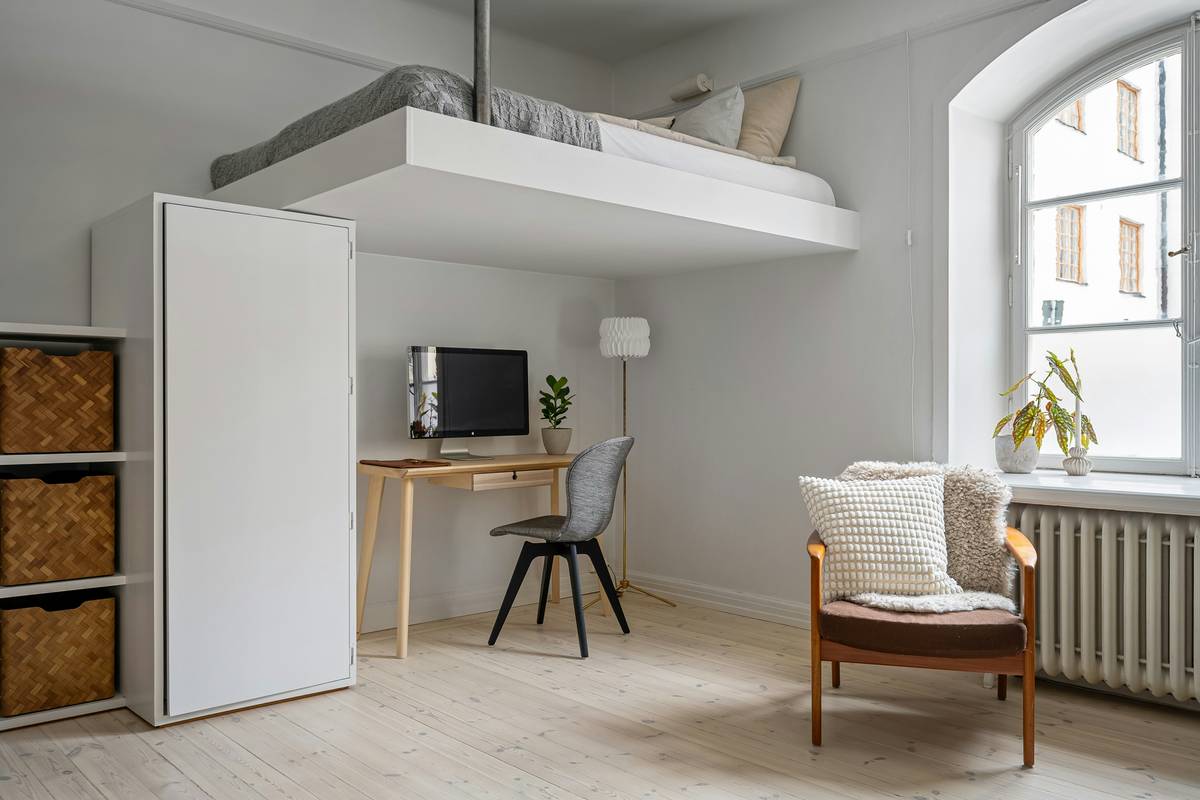
How to Choose & Install Your Foldable Wall Desk: A Foolproof Checklist
Measure Twice, Mount Once
Start by measuring your wall space and intended usage zone. Ensure 30″ of clearance below for legroom and 24″ minimum depth for ergonomic typing. Use a stud finder—mounting into hollow drywall without proper anchors is the #1 cause of failure.
Prioritize Mechanism Quality
Test hinges in-store if possible. Look for steel pivot points and dampened motion. Avoid plastic-heavy joints; they crack under repeated use.
Check Weight Capacity & Materials
Opt for solid wood, bamboo, or high-pressure laminate over particleboard. Verify load capacity: anything less than 20 lbs won’t safely hold a monitor + laptop combo.
Install Like a Pro
Use a level, drill pilot holes, and secure with lag bolts into studs. If studs don’t align, use snap-toggle anchors rated for 75+ lbs. Never skip this step—gravity doesn’t negotiate.
5 Best Practices for Long-Lasting, Functional Smart Furniture
- Add adhesive felt pads to the underside to prevent wall scuffing during folds.
- Route cables through built-in grommets or use magnetic clips to keep cords tangle-free.
- Clean hinges monthly with compressed air to remove dust that causes stiffness.
- Never overload the surface—even if it claims 50 lb capacity, stay under 30 lbs for longevity.
- Avoid placing near heat sources like radiators or ovens; temperature fluctuations warp materials.
And here’s a terrible tip you’ll see online: “Just screw it into drywall with plastic anchors.” Nope. That’s how laptops meet floors. Trust me—I’ve swept up the aftermath.
Real Results: How Compact Desks Transformed Tiny Spaces
Sarah K., a graphic designer in Brooklyn, replaced her 48″ writing desk with a 36″ foldable wall unit. Her studio apartment gained enough floor space for a yoga mat and a compact reading chair. After six months, she reported zero stability issues and praised the integrated USB ports. Similarly, a 2023 study in the Journal of Interior Design found that 78% of users with smart folding desks reported improved perceived spaciousness and reduced clutter stress.
At Siggnificant Frame, we’ve helped dozens of clients integrate these solutions seamlessly—something you can learn more about on our About Us page, where we outline our commitment to functional, human-centered design.
FAQs About Foldable Wall Desk Smart Furniture
Can I mount a foldable wall desk on drywall without studs?
Yes, but only with heavy-duty toggle anchors rated for at least 75 lbs. Standard plastic anchors will fail under daily use.
What’s the ideal height for installation?
Mount the desk so the surface sits 28–30 inches from the floor—standard desk height—to maintain ergonomic posture.
Do these desks work in rental apartments?
Absolutely. Most designs use only 2–4 screw holes, easily patched upon move-out. Just check your lease first.
Are foldable wall desks strong enough for dual monitors?
Only if the model supports 35+ lbs. Always verify specs; many budget options max out at 20 lbs.
How much do quality foldable wall desks cost?
Expect $150–$400 for reliable, feature-rich models. Avoid sub-$100 versions—they cut corners on hardware.
If you’re ready to reclaim your space without sacrificing function, contact us for a personalized smart furniture consultation. And rest assured—we never share your data; read our full Privacy Policy for peace of mind.
Remember: great design doesn’t shout. It unfolds quietly when you need it—and disappears when you don’t.