Ever tried folding a dining table into your wall while your dog eyes you like you’ve lost it? Or watched your roommate attempt yoga next to a “transformer” couch that doubles as a bed—and tripled their anxiety instead? You’re not alone. In India, where 56% of urban households live in homes under 750 sq. ft. (Census India, 2011—and it’s only gotten tighter since), the dream isn’t just more space… it’s smarter space.
This post is your no-fluff, no-gimmick guide to smart space saving furniture in India. I’ve tested, tripped over, and even slept on modular desks that turn into Murphy beds (true story—I woke up mid-recline). Here, you’ll learn:
- Why Indian homes need smart furniture now
- How to pick the right pieces without blowing your budget
- Real brands delivering quality—not just Instagram aesthetics
- Mistakes that turn “clever” into “clunky”
Table of Contents
- Why Smart Furniture Matters in India
- How to Choose Smart Space-Saving Furniture
- Top Tips for Buying Smart Furniture in India
- Real-World Examples from Indian Homes
- FAQs About Smart Space Saving Furniture in India
Key Takeaways
- India’s average urban home size is shrinking; smart furniture maximizes utility without sacrificing style.
- Prioritize structural integrity and smooth mechanisms—many cheap options fail within 6 months.
- Brands like Urban Ladder, Pepperfry, and IKEA India now offer locally adapted modular solutions.
- Avoid “one-size-fits-all” imports—they often ignore Indian ergonomic needs and monsoon humidity.
Why Do We Even Need Smart Space Saving Furniture in India?
Let’s be real: Mumbai rents cost ₹1,200–₹2,500 per sq. ft. annually (NoBrokerHood Report, 2023). In Delhi-NCR, studio apartments under ₹15,000/month rarely exceed 400 sq. ft. You’re paying premium prices for shoebox dimensions—and yet, you still need to eat, work, store clothes, host relatives during Diwali, and maybe even meditate.
I once bought a “space-saving” loft bed from an unverified seller on a marketplace. It wobbled so badly I nicknamed it “The Earthquake.” Two weeks in, the hydraulic lift failed mid-descent—scraping my laptop against the wall like a rogue DJ. Lesson learned: not all “smart” furniture is engineered for Indian realities.
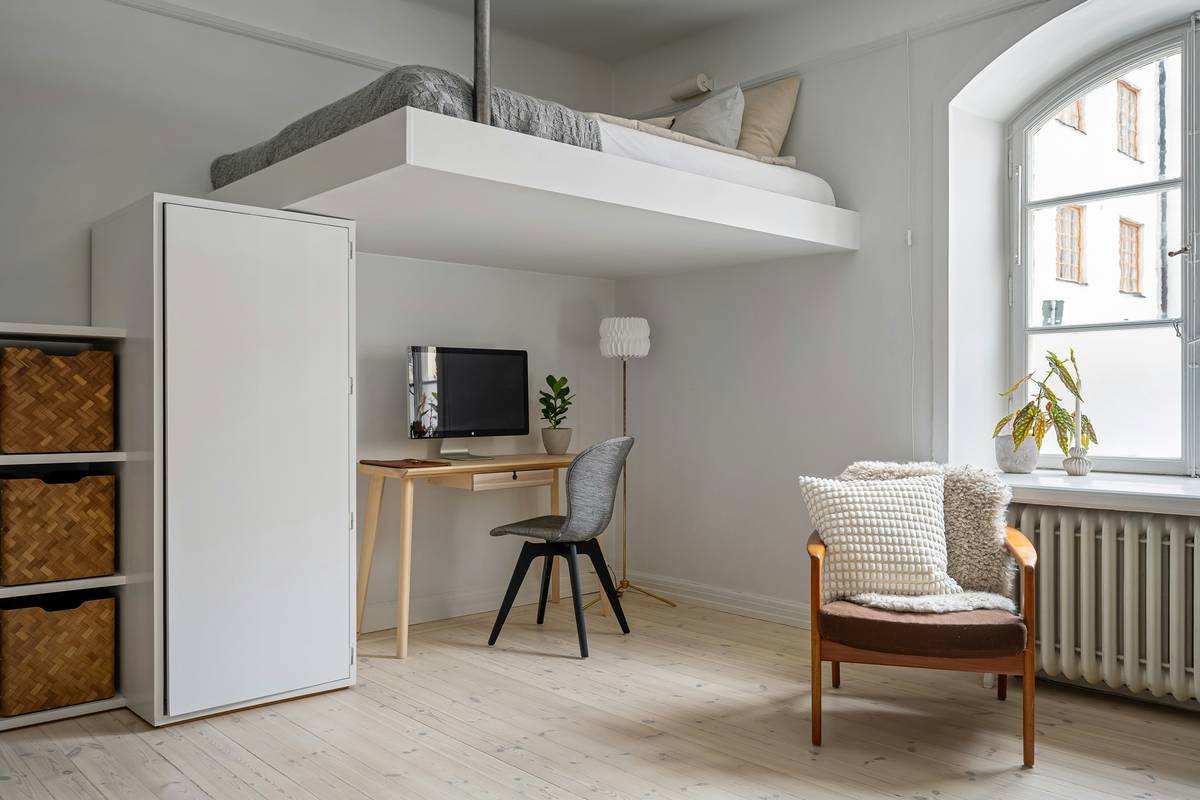
Optimist You: “Modular furniture can give me a home office, dining area, and guest bed—all in 500 sq. ft!”
Grumpy You: “Sure, if I want to spend Sunday assembling something that sounds like a blender full of marbles—whirrrr-clank!”
How to Choose Smart Space-Saving Furniture That Doesn’t Suck
Choosing smart furniture isn’t about buying the flashiest transformer couch. It’s about matching mechanics to your daily rituals.
What types actually work in Indian homes?
- Wall beds with integrated desks: Ideal for WFH professionals. Look for gas-lift mechanisms rated for 80+ kg.
- Expandable dining tables: A 2-seater that stretches to 6 saves Diwali dinners without permanent bulk.
- Storage ottomans & coffee tables: Double as seating + blanket or toy storage—critical in joint families.
- Modular sofa-cum-beds: Skip flimsy futons. True modular sofas have hardwood frames and high-resilience foam.
What materials survive Indian climates?
Monsoons = enemy #1. Avoid MDF unless it’s BWR (Boiling Water Resistant) grade. Solid wood (teak, mango) or powder-coated metal frames handle humidity better. And for God’s sake, check hinge corrosion resistance.
Pro tip: Ask for ISO 9001 certification on mechanisms. Brands like Urban Ladder now disclose this info on product pages after customer complaints about sticky slides.
Top 5 Tips for Buying Smart Space Saving Furniture in India (Without Regretting It)
- Measure twice, buy once: Include door widths! I’ve seen clients order king-sized Murphy beds that couldn’t clear a 28-inch hallway. Measure your entry path—not just floor space.
- Test the mechanism in-store: If buying online, watch unboxing videos. Listen for grinding gears or stiff pulls. Smooth = durable.
- Beware of “modular” scams: Some sellers label fixed furniture as “modular” just because it’s sold in parts. Real modularity means reconfigurable layouts.
- Prioritize service network: Does the brand offer on-site repairs in your city? Pepperfry covers 100+ Indian cities for assembly—check before you click.
- Match to lifestyle, not trends: Love hosting? Get a pull-out dining extension. Have toddlers? Avoid glass-top transformable tables.
TERRIBLE TIP DISCLAIMER: “Just buy the cheapest option on Amazon.” Nope. I tested a ₹8,999 “smart” desk that collapsed during a Zoom call—my cat judged me harder than my boss. Invest in reputable brands with physical service centers.
RANT ZONE: My Pet Peeve About Indian Smart Furniture
Why do 90% of local “smart bed” ads show models lounging peacefully—as if activating the mechanism is silent, effortless, and doesn’t require clearing a 3-foot radius? Real talk: most take 30 seconds, make noise, and demand space to swing. Stop selling fantasy. Sell function.
Real Homes, Real Results: Smart Furniture Wins in India
Case 1: Bengaluru Studio (380 sq. ft.)
Priya, a UX designer, needed a home office + guest setup. She chose Urban Ladder’s Reva Wall Bed (with built-in desk). Result: Her workspace vanishes when guests arrive. Mechanism has survived 18 months of daily use—and two monsoons.
Case 2: Delhi 1BHK (550 sq. ft.)
Rohan upgraded his living room with Pepperfry’s Modulo Sofa (converts to queen bed) and a nesting coffee table with hidden storage. Now hosts weekend family gatherings without air mattresses everywhere. Cost: ₹42,000 total—under budget.
Both avoided imported European brands that ignored Indian body ergonomics (e.g., seat depth too shallow for average Indian height).
FAQs About Smart Space Saving Furniture in India
Is smart furniture worth the cost in India?
Yes—if you prioritize quality. A well-made wall bed (₹25,000–₹45,000) lasts 7–10 years, replacing 2–3 cheap alternatives. Calculate cost-per-use, not upfront price.
Which cities have the best service/support for smart furniture?
Metro cities (Mumbai, Delhi, Bengaluru, Hyderabad, Chennai) offer reliable assembly and repair. Tier-2 cities should confirm serviceability before ordering—Pepperfry and Urban Ladder lead here.
Can smart furniture handle Indian humidity?
Only if materials are chosen wisely. Look for BWR plywood, marine-grade ply, or solid wood with sealant finishes. Avoid particleboard.
Are there eco-friendly options?
Yes! Brands like Charai Co. use reclaimed wood and non-toxic finishes—but expect longer lead times.
Final Thoughts
Smart space saving furniture in India isn’t a luxury—it’s a necessity for modern urban living. But the key isn’t just buying “smart.” It’s buying right: structurally sound, climate-resilient, and aligned with how you actually live. Skip the gimmicks. Invest in engineering. Your future self (and your visiting in-laws) will thank you.
Like a Tamagotchi, your tiny home needs daily care—but with the right furniture, it thrives.
Haiku break:
Walls hold desks and beds,
Monsoon-proof, space-wise, calm—
Tiny home, big joy.