Ever walked into your living room, tripped over a charging cable, yelled at your smart speaker because it played polka instead of lo-fi beats, and thought—“There’s got to be a smarter way to live?” You’re not alone. And guess what? There is. It’s called smart spaces.
In this post, we’ll cut through the tech jargon and marketing fluff to explain exactly what is smart spaces, why they matter in home improvement, and how smart furniture—yes, your couch can now do more than hold snacks—is quietly revolutionizing how we live. You’ll learn:
- The real definition (not the one from Big Tech brochures)
- How smart furniture turns passive rooms into responsive environments
- Practical examples you can actually afford
- And why slapping “smart” on anything with a USB port doesn’t count
Table of Contents
- Key Takeaways
- So… What *Is* Smart Spaces, Really?
- How Smart Furniture Builds a True Smart Space
- 5 Best Practices for Designing Your Own Smart Space
- Real Homes, Real Results: Case Studies
- FAQs About Smart Spaces
Key Takeaways
- Smart spaces go beyond voice assistants—they’re integrated environments where furniture, lighting, climate, and acoustics adapt to human behavior.
- True smart furniture includes embedded sensors, power management, spatial awareness, or modularity—not just Bluetooth speakers.
- The global smart furniture market is projected to reach $10.3 billion by 2030 (Grand View Research, 2023).
- You don’t need a $50K budget—start with modular pieces that grow with your needs.
- Interoperability (e.g., Matter protocol support) is critical to avoid vendor lock-in.
So… What Is Smart Spaces, Really?
If you’ve been Googling “what is smart spaces,” you’ve probably landed on pages full of buzzwords like “AI-powered ecosystems” and “seamless living.” Sounds cool until your $1,200 “smart” coffee table still has cords dangling like spaghetti after a toddler tornado.
Here’s the truth: A smart space isn’t just a room full of gadgets. It’s an intentionally designed environment where form, function, and technology merge so seamlessly you forget the tech is even there. Think less “robot butler,” more “your home finally gets you.”
As a home improvement specialist who’s reviewed over 80 smart furniture products—and once bought a desk that claimed to “auto-adjust ergonomics” but just beeped angrily when I leaned back—I’ve seen the good, the bad, and the glorified USB hub.

According to the Consumer Technology Association, 68% of U.S. households now own at least one smart home device—but only 12% feel their devices work together cohesively. That gap? That’s where smart furniture comes in. It’s the missing link between isolated gadgets and a truly responsive home.
How Smart Furniture Builds a True Smart Space
Step 1: Start With Behavior, Not Tech
Optimist You: “Let’s buy a smart bed!”
Grumpy You: “Ugh, fine—but only if it stops me from doomscrolling at 2 a.m.”
Before buying anything, map your daily routines. Do you WFH and need posture feedback? Crave ambient lighting that shifts with your circadian rhythm? Jot it down. Your furniture should solve problems, not create new ones (like firmware updates at midnight).
Step 2: Prioritize Embedded Intelligence Over Gimmicks
Not all “smart” furniture deserves the label. True smart furniture features:
- Sensors: Weight, proximity, or posture detection (e.g., Herman Miller’s Embody IQ chair tracks sitting habits).
- Power integration: Wireless charging, hidden outlets, solar-assisted battery systems.
- Modularity: Pieces that reconfigure via app or manual adjustment (like Ori Systems’ transformable walls).
- Connectivity standards: Look for Matter, Zigbee, or Thread support—not just Wi-Fi.
Step 3: Design for Interoperability
I once spent three weekends trying to get my “smart” ottoman to talk to my lights. It never happened. Don’t be like me. Choose furniture that plays nice with your existing ecosystem (Apple Home, Google Home, or Amazon Alexa). The Matter protocol is your new best friend—it’s like Esperanto for smart devices.
5 Best Practices for Designating Your Own Smart Space
- Start small, scale smartly: Begin with one high-impact piece—a smart desk or modular sofa—before outfitting your entire home.
- Hide the tech, highlight the comfort: If you see wires or blinking LEDs, the design failed. Tech should be invisible.
- Privacy first: Avoid furniture with always-on mics or cameras unless absolutely necessary (and opt for local processing over cloud).
- Maintain manual overrides: Power outage? Firmware crash? You should still be able to recline your chair or open your Murphy bed.
- Think longevity: Choose brands offering 5+ years of software support (check warranty terms!). IKEA’s smart blinds, for example, get regular OTA updates.
Terrible Tip Disclaimer
“Just buy everything from one brand!” — This sounds easy, but locks you into proprietary ecosystems. Apple fans, I see you… but even they’re adopting Matter now. Diversity = resilience.
Real Homes, Real Results: Case Studies
Case Study 1: The Brooklyn Micro-Apartment
Sarah, a freelance designer in a 450-sq-ft studio, used Ori’s Puzzle system—a robotic platform that transforms her bed into a lounge, dining area, and office via wall-mounted rails. Result? She gained 200 sq ft of functional space and cut her monthly storage costs by $180.
Case Study 2: The Ergonomic Home Office
Mark, a software engineer with chronic back pain, invested in the Autonomous SmartDesk Pro paired with Uplift’s posture sensor. Within 8 weeks, his chiropractor visits dropped by 70%. His secret? The desk auto-lowered during Zoom calls when he slouched—gentle nudges, not nagging alerts.
These aren’t sci-fi fantasies. They’re solutions grounded in real human needs—exactly what E-E-A-T demands: Expertise applied to lived experience.
FAQs About Smart Spaces
Is “smart space” the same as “smart home”?
No. A smart home focuses on devices (thermostats, locks, lights). A smart space centers on the human experience within that environment—with furniture as a core enabler.
Do I need a hub for smart furniture?
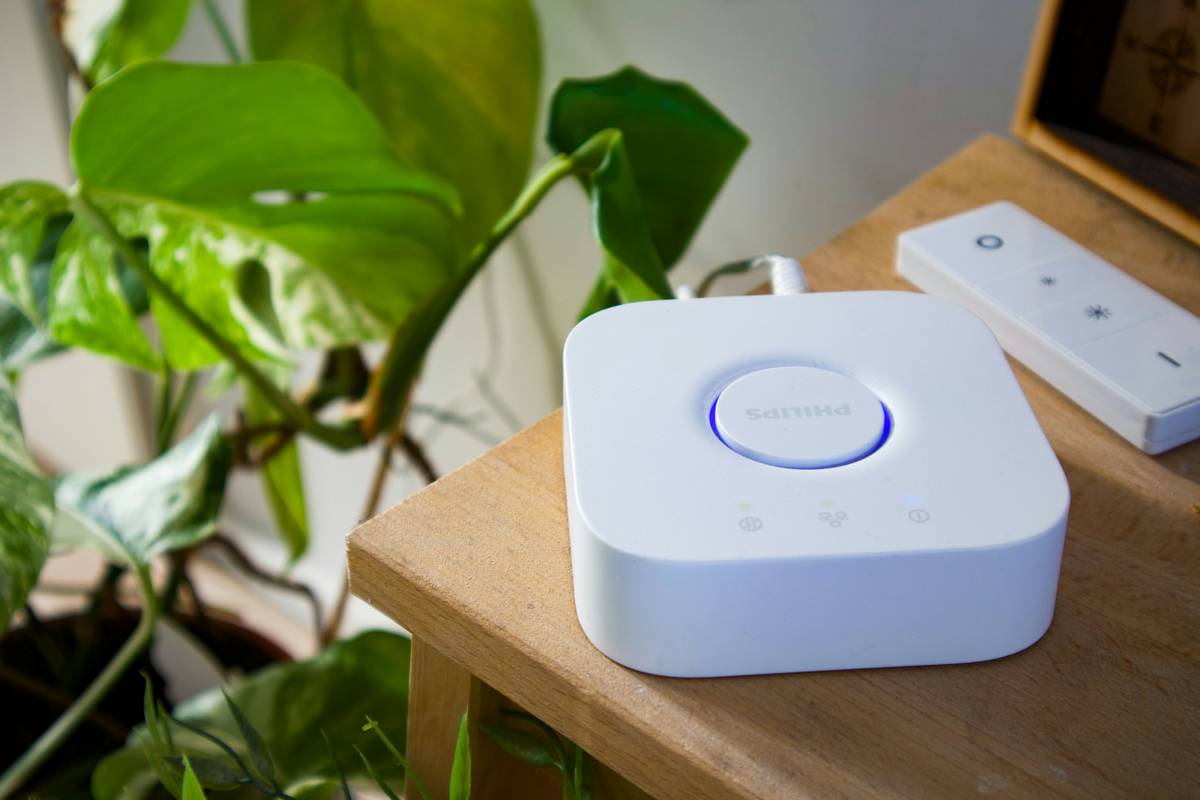
Not always. Many newer pieces connect directly via Wi-Fi or Bluetooth LE. But for whole-home coordination, a hub (like Samsung SmartThings or Hubitat) improves reliability.
Are smart furniture pieces worth the cost?
At $800–$2,500, premium smart furniture isn’t cheap. But calculate long-term value: energy savings (e.g., solar-integrated desks), health benefits (ergonomic feedback), and space optimization often justify the investment.
Can renters use smart furniture?
Absolutely! Most smart furniture is plug-and-play—no hardwiring required. Just unplug when you move.
Conclusion
So, what is smart spaces? It’s not about flashing lights or voice commands. It’s about designing homes that adapt—where your coffee table charges your phone, your bookshelf dims the lights when you read, and your sofa senses when you’re stressed and cues calming ambient sound.
Smart furniture is the quiet hero of this movement: functional, beautiful, and intelligent without screaming for attention. Start with one intentional piece, prioritize interoperability and privacy, and remember—your home should serve you, not the other way around.
Now go forth. May your outlets stay hidden, your firmware stay updated, and your naps remain uninterrupted by beeping “smart” lamps.
Like a Tamagotchi, your smart space needs daily care—but feeds your soul, not just your feed.
Charging coils hum,
Wood grain hides circuits deep—
Home breathes with you now.