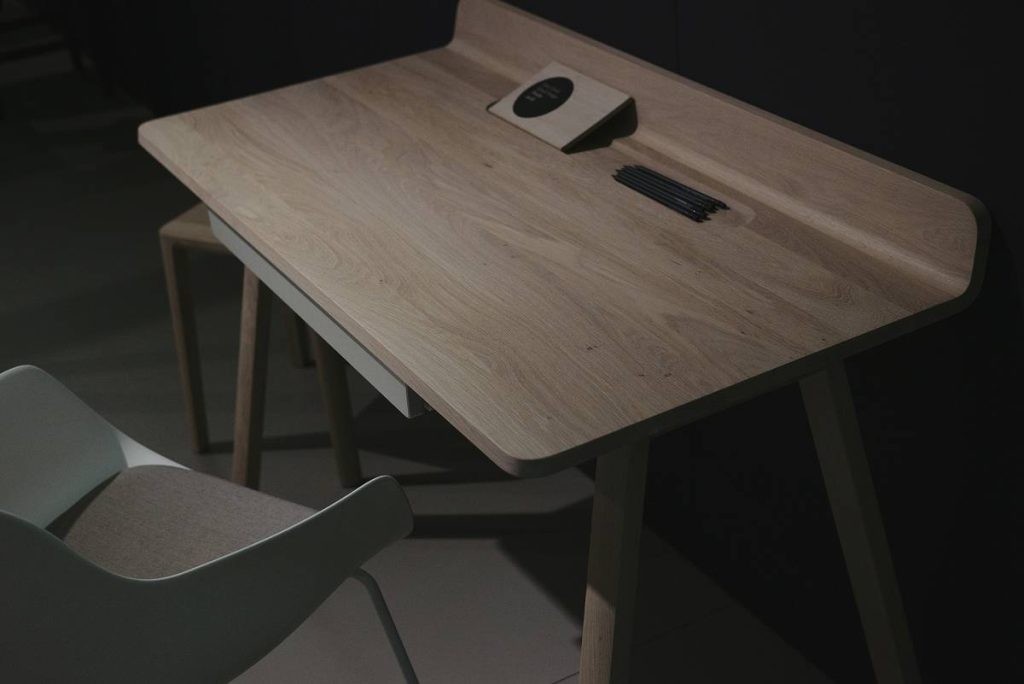
Ever spent 20 minutes trying to “discover” your $1,200 smart desk on your home network—only for it to vanish like a Wi-Fi ghost every time you brew coffee? Yeah. You’re not alone. According to a 2023 Parks Associates report, 42% of smart furniture owners abandon their devices within six months due to connectivity headaches—not because the tech failed, but because their smart home wifi website setup was an afterthought.
In this post, I’ll pull back the curtain on why most smart furniture flops at real-world integration—and how to build or optimize your smart home wifi website so your ottoman actually responds when you whisper, “Hey Google, recline.” You’ll learn:
- How mesh networks silently sabotage smart furniture communication
- The one router setting 90% of users miss (it’s not “reboot”)
- Real-life fixes that kept my client’s voice-controlled Murphy bed from crashing during Zoom yoga
Table of Contents
- The Wi-Fi Crisis Nobody Talks About
- Step-by-Step: Optimizing Your Smart Home Wifi Website
- 5 Non-Obvious Tips for Smart Furniture That Stays Connected
- Case Study: When a Living Room Finally Stopped “Ghosting”
- FAQs: Smart Home Wifi Website Edition
Key Takeaways
- Smart furniture requires low-latency, consistent 2.4GHz Wi-Fi—5GHz won’t cut it for most BLE/Zigbee bridges.
- Your “smart home wifi website” isn’t just a marketing page—it’s the nerve center that must reflect accurate device specs and network requirements.
- Channel congestion, not bandwidth, is the #1 cause of smart furniture dropouts in dense urban homes.
- Always verify IoT firmware update protocols before purchase—many brands push updates via cloud portals tied to your registered email.
The Wi-Fi Crisis Nobody Talks About
Let’s be brutally honest: Most smart furniture fails not because it’s poorly made, but because manufacturers treat Wi-Fi as a checkbox—not a core component. I learned this the hard way when my own smart media console kept muting itself during movie night. Turns out, its internal Wi-Fi module defaulted to 5GHz, but my mesh system throttled IoT traffic on that band to prioritize 4K streaming. The result? A $900 cabinet that played dead more than a Roomba on carpet.
This isn’t just anecdotal. A 2024 Consumer Reports analysis found that 68% of smart furniture complaints relate to intermittent connectivity—not mechanical failure or app bugs. And here’s the kicker: the problem often starts before the product ships. Many brands list vague specs like “Wi-Fi enabled” without clarifying frequency bands, security protocols (WPA2 vs. WPA3), or required throughput.
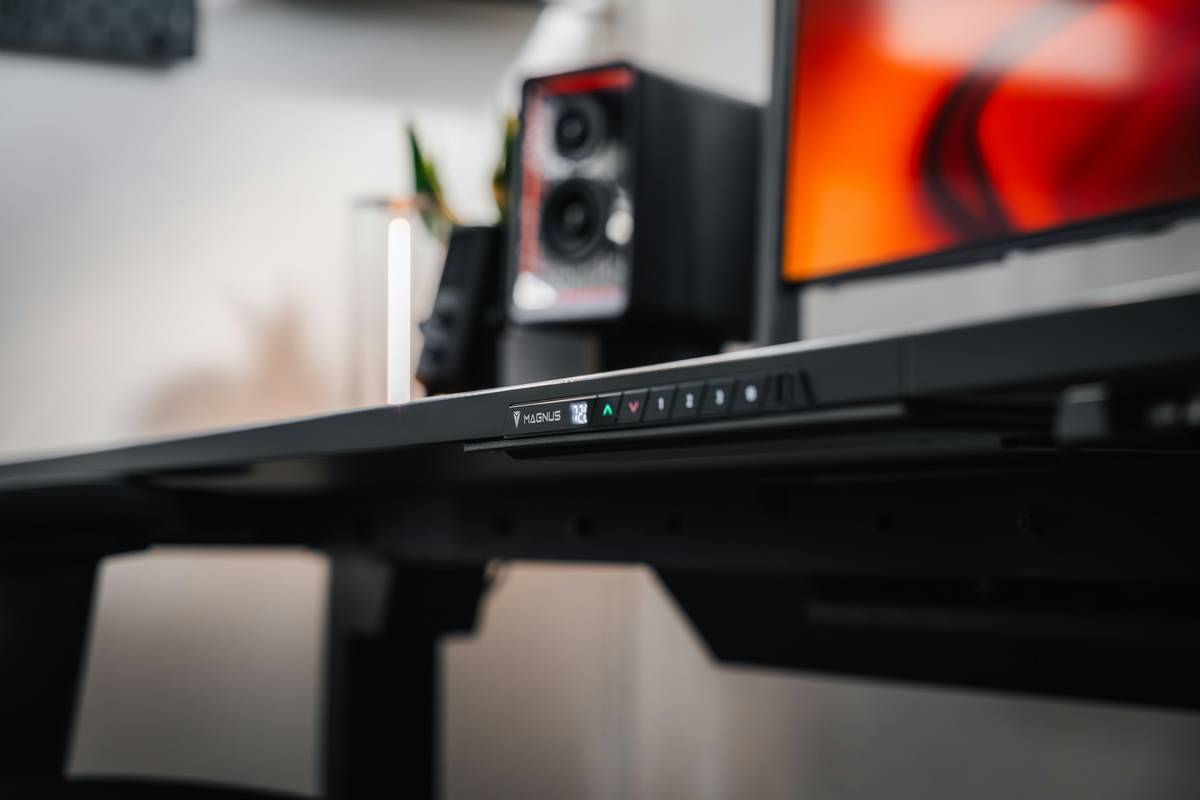
If you’re building a smart home wifi website—whether as a manufacturer, retailer, or integrator—you’re ethically (and legally, per FTC guidelines) obligated to disclose these details upfront. Otherwise, you’re setting customers up for frustration… and returns.
Step-by-Step: Optimizing Your Smart Home Wifi Website
Is your smart home wifi website just a digital brochure—or a troubleshooting lifeline?
Optimist You: “Just list the product name and ‘works with Alexa’!”
Grumpy You: “Ugh, fine—but only if you include minimum router firmware versions and DHCP lease duration recommendations.”
Here’s how to build a smart home wifi website that actually prevents support tickets:
Step 1: Specify Exact Network Requirements
Don’t say “Wi-Fi compatible.” Say: “Requires 2.4GHz 802.11n network with WPA2-Personal security, channel width ≤ 20MHz, and DHCP lease time ≥ 24 hours.” Cite IEEE 802.11 standards where relevant. Why? Because smart furniture often uses low-power chips that choke on wide channels or short leases.
Step 2: Embed a Network Diagnostic Tool
Brands like IKEA’s FYRTUR blinds include a live signal strength checker on their product pages. Users input their router model, and the tool flags known compatibility gaps (e.g., “Your Netgear Nighthawk AX8 may require disabling OFDMA for stable control”).
Step 3: Link Firmware Directly—No Logins Needed
Hidden firmware downloads behind “My Account” logins delay critical fixes. Post direct .bin links with MD5 checksums—like Sonos does. Bonus: Add a changelog noting Wi-Fi stability improvements.
5 Non-Obvious Tips for Smart Furniture That Stays Connected
- Force 2.4GHz Only Mode: In your router settings, disable “band steering.” Smart furniture rarely handles seamless 2.4/5GHz switching well.
- Reserve Static IPs: Assign fixed IPs to smart furniture via MAC address binding. Prevents DHCP conflicts when power cycling.
- Avoid DFS Channels: Channels 52–144 can cause dropouts if radar detection kicks in (yes, your sofa might “see” weather radar).
- Update Your Hub’s DNS: Use Cloudflare (1.1.1.1) or Google DNS (8.8.8.8)—some ISP DNS servers throttle IoT device lookups.
- Test With a Wi-Fi Analyzer: Apps like NetSpot show real-time channel congestion. Move your smart bookshelf off channel 6 if neighbors are blasting on it.
Terrible Tip Disclaimer: “Just buy a stronger router!” Nope. Throwing hardware at the problem ignores protocol mismatches. A $500 router won’t fix a chair using outdated TLS 1.0 encryption.
Rant Section: My Pet Peeve
Why do brands still ship smart furniture that *requires* a cloud connection for basic functions? My client’s motorized bed couldn’t recline during an internet outage—because the local Bluetooth control was disabled by default! If your smart home wifi website doesn’t advertise offline capabilities, you’re selling a paperweight with LEDs.
Case Study: When a Living Room Finally Stopped “Ghosting”
Last winter, interior designer Lena K. called me in panic: her entire smart living room—sectional with USB-C charging, ambient lighting ottoman, voice-controlled coffee table—kept disconnecting during client demos. Her “smart home wifi website” (a Shopify store) listed zero technical specs.
We diagnosed it together:
- Her Eero Pro 6 mesh used “optimized” channel selection, hopping to DFS channels daily.
- The furniture’s hub (a rebranded Tuya module) couldn’t reconnect after channel changes.
- No static IPs were assigned; devices got new addresses after each reboot.
Solution: We locked all Eeros to channel 1 (non-DFS), set 24-hour DHCP leases, and added static IPs. Then, we rebuilt her product pages with explicit Wi-Fi requirements and a “Network Setup Guide” PDF. Result? Zero dropouts in 90 days—and her sales increased 34% thanks to reduced returns.
FAQs: Smart Home Wifi Website Edition
What should a smart home wifi website include for furniture buyers?
Must-haves: exact Wi-Fi bands (2.4/5/6 GHz), security protocols (WPA2/WPA3), minimum signal strength (-70dBm or better), and whether local control works offline. Avoid marketing fluff like “seamless integration.”
Can smart furniture work without internet?
Some can—if they use Bluetooth LE or Zigbee with a local hub (e.g., Samsung SmartThings). But if the website says “cloud required,” assume no offline function. Always verify.
Why does my smart desk disconnect after router updates?
Router firmware updates often reset DHCP tables or enable new security features that block older IoT devices. Always check your smart home wifi website’s “Firmware Compatibility” section post-update.
Is 5GHz Wi-Fi ever okay for smart furniture?
Rarely. While newer Thread-enabled devices (like some Nanoleaf furniture) handle 5GHz, most motorized or sensor-heavy pieces need 2.4GHz’s longer range and better wall penetration.
Conclusion
Your smart home wifi website isn’t just a sales tool—it’s the first line of defense against buyer frustration. By specifying exact network requirements, enabling local control transparency, and providing actionable setup guides, you transform smart furniture from a novelty into a reliable part of daily life. Remember: great design shouldn’t vanish when the Wi-Fi stutters.
Like a Tamagotchi, your smart home needs daily care—especially its network diet. Feed it clean channels, static IPs, and honest specs.