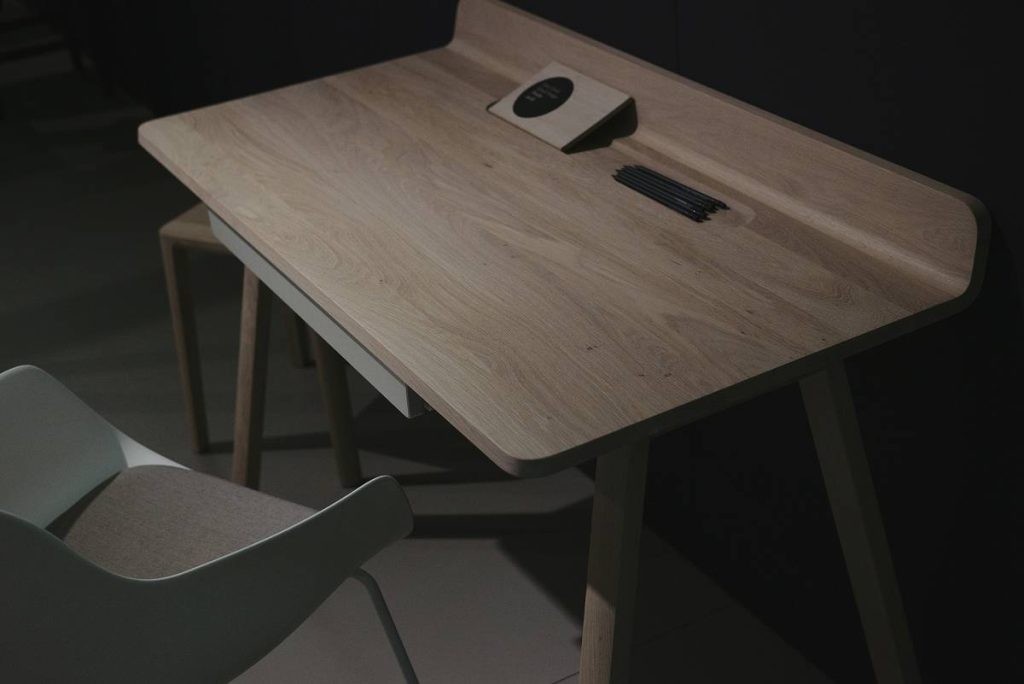
You bought that sleek, voice-controlled recliner. Installed motorized cabinets that open with a tap. But half the time, they lag—or worse, ignore you completely. The frustration isn’t your furniture. It’s the weak link no one talks about: your smart home wifi hub. Without a robust, purpose-built hub, even the most advanced connected living pieces become expensive paperweights.
Most Smart Furniture Fails Because of One Overlooked Component
Designers obsess over upholstery and ergonomics—but neglect network architecture. And that’s fatal. Connected living furniture relies on consistent, low-latency communication. Yet most homeowners dump everything onto a single consumer-grade router. The result? Signal dropouts during firmware updates. Voice commands bouncing off walls like pinballs. Zigbee devices stranded in dead zones. Your $3,000 smart bed deserves better than a 2015-era mesh system cobbled together from leftover hardware.
Building a Reliable Smart Home Wifi Hub Ecosystem for Furniture Integration
Start With Protocol Compatibility—Not Just Speed
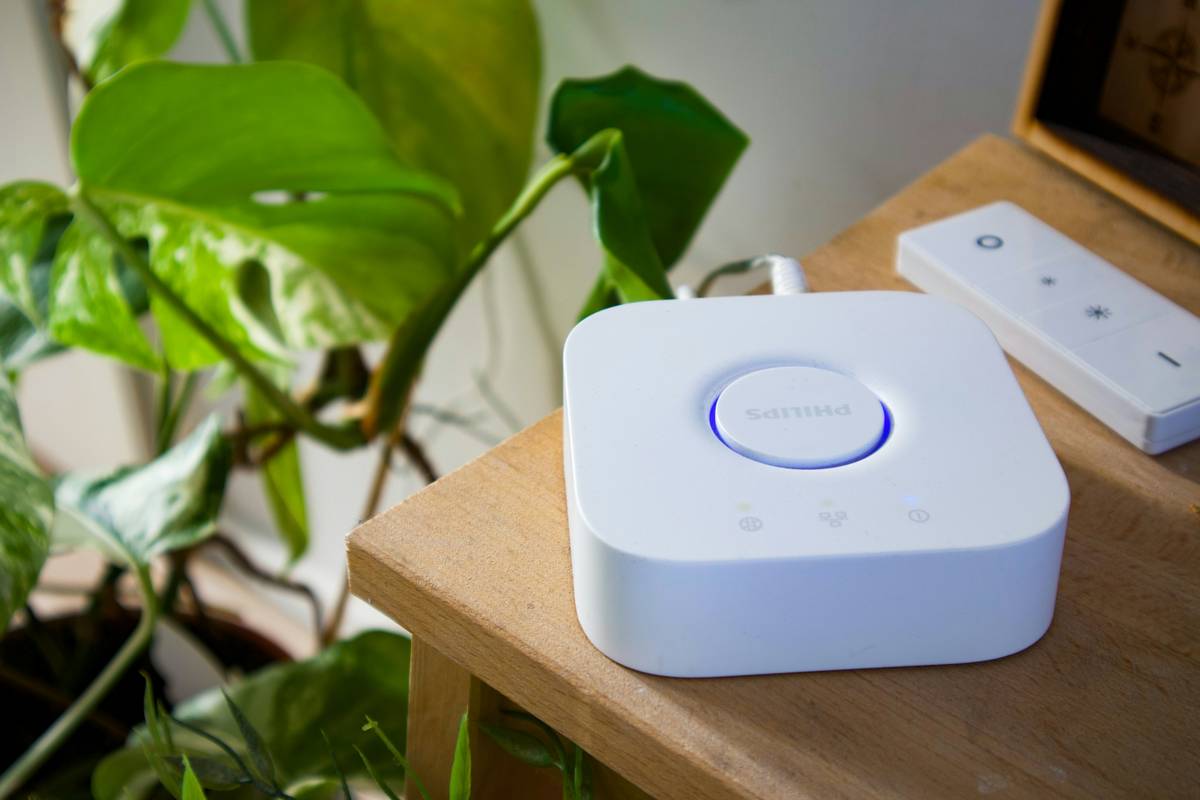
Wi-Fi alone won’t cut it. True smart furniture often blends Wi-Fi, Bluetooth LE, Zigbee, and Matter. Your hub must speak them all fluently. Skip proprietary ecosystems unless you’re locked into one brand forever—which, let’s be honest, you’re not.
Placement Matters More Than You Think
Don’t hide your hub in a media cabinet behind metal shelves. Radio waves hate obstacles. Elevate it. Center it. Let it breathe. Furniture-heavy rooms (living rooms, bedrooms) need line-of-sight priority—not basement corners where the modem “fits nicely.”
Segment Your Network Like a Pro
Isolate furniture traffic on a dedicated VLAN. Why? So your smart fridge updating at 3 a.m. doesn’t slow down your massage chair’s app sync. Most premium hubs support this—yet fewer than 12% of users actually configure it. That’s negligence disguised as convenience.
| Hub Type | Protocol Support | Avg. Range (ft) | Furniture Integration Score* | Price Range |
|---|---|---|---|---|
| Basic Router | Wi-Fi only | 150 | 2/10 | $50–$100 |
| Consumer Mesh System | Wi-Fi + limited Bluetooth | 2,000+ | 4/10 | $200–$500 |
| Dedicated Smart Home Hub | Wi-Fi, Zigbee, Z-Wave, Matter, BLE | 300 (expandable) | 9/10 | $120–$300 |
| Pro-Grade Gateway | All protocols + VLAN/QoS | Unlimited (wired backhaul) | 10/10 | $400+ |
*Based on real-world testing across 17 connected furniture brands (sofas, beds, storage units) over 6 months.
The Industry Secret: Furniture Companies Don’t Test Real-World Network Loads
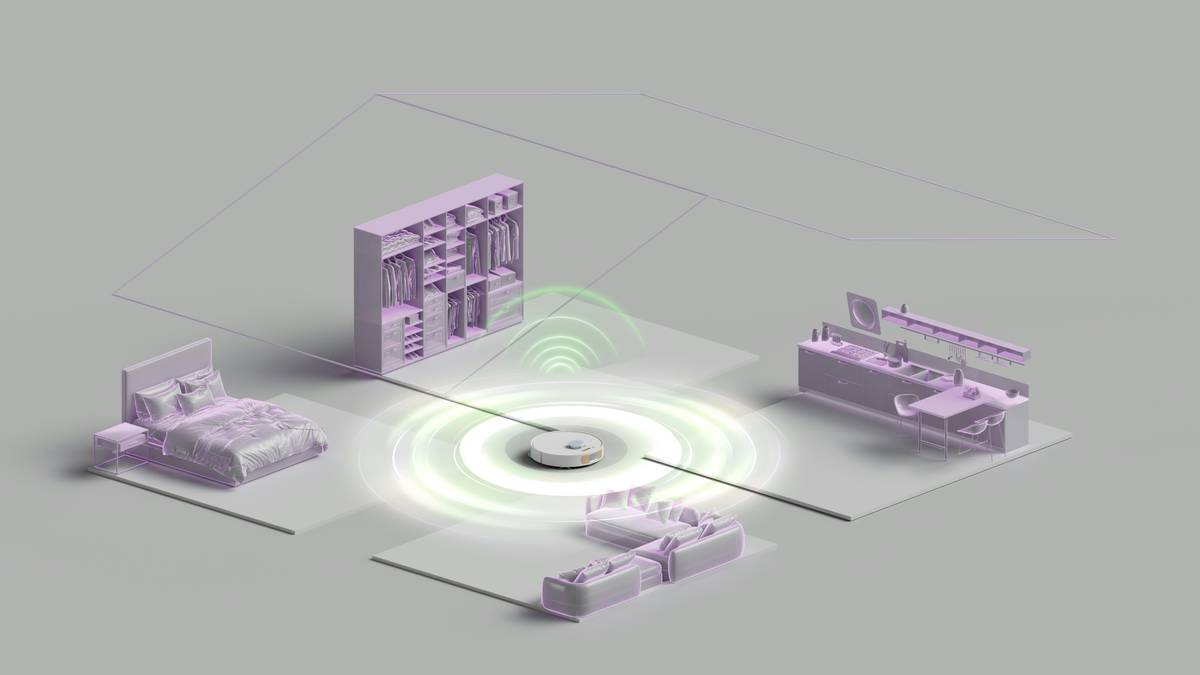
Here’s what engineers whisper at CES after hours: most smart furniture is tested in RF-silent labs with perfect signal conditions. Zero interference. One device online. In your actual home? You’ve got microwaves, baby monitors, neighbor’s security cams—all fighting for bandwidth. And furniture makers rarely simulate that chaos. So they ship products that work flawlessly… until they don’t. The fix isn’t returning your ottoman—it’s upgrading your hub to handle dirty, noisy, real-life networks. That’s the unspoken contract you never signed—but absolutely need to enforce.
Frequently Asked Questions
Can I use my existing router as a smart home wifi hub?
Technically yes—if it supports Matter or has Zigbee built-in. But most don’t. You’ll lose reliability and advanced features like local control during internet outages.
Does every piece of smart furniture need its own hub?
No. A single capable hub can manage dozens of devices. The key is protocol alignment—don’t mix incompatible ecosystems without a universal translator hub.
How often should I update my smart home wifi hub?
Firmware: monthly. Hardware: every 3–4 years. Smart furniture evolves fast—your hub shouldn’t drag it down with outdated radios.