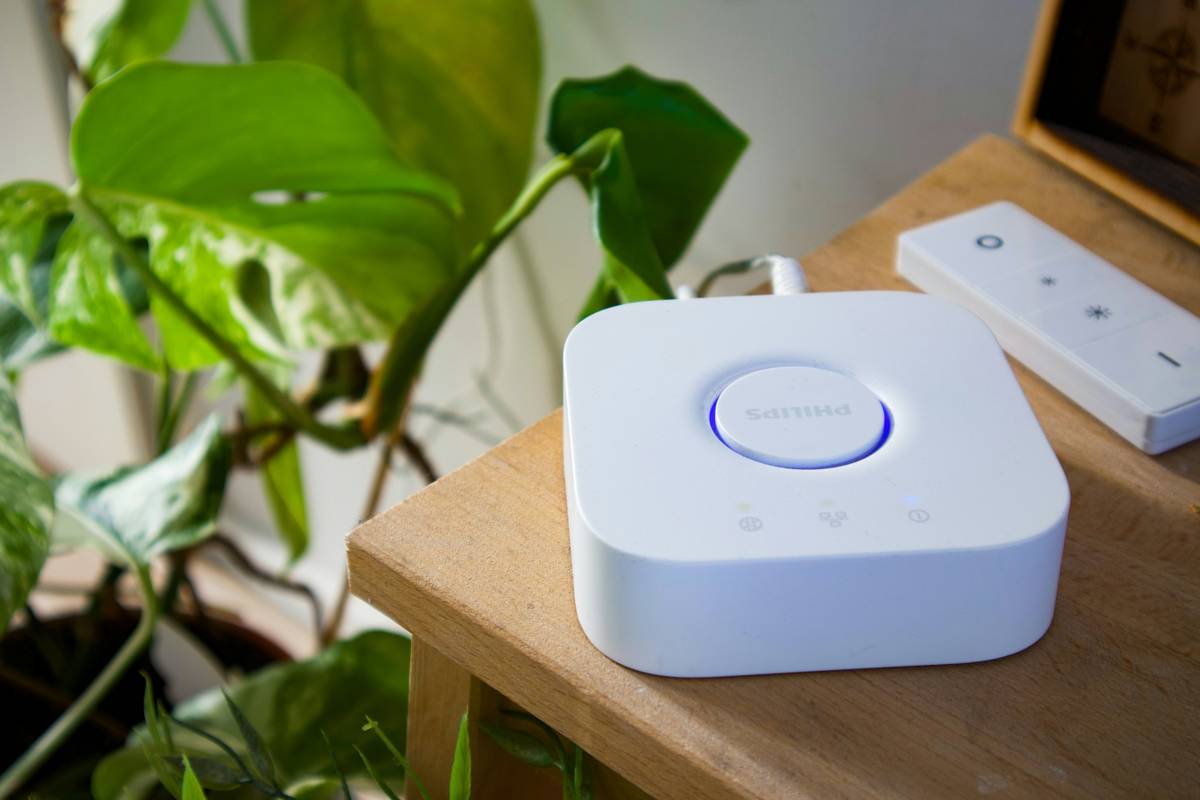
Your lights flicker on at 3 a.m. because you forgot to kill power to the entertainment center. Your space heater runs all day while you’re at work—just in case. And that “smart” lamp? It’s dumber than your toaster. Standard switches and outlets don’t adapt. They don’t learn. They just sit there, draining energy and patience. Enter smart outlets and switches—not flashy gadgets, but quiet command centers for your entire home’s power flow.
Why Dumb Wiring Is Costing You More Than You Think
Most homes still rely on legacy wall switches and basic power strips. They offer zero visibility into actual consumption. Zero control when you’re not home. And zero intelligence to prevent waste.
Here’s the reality: phantom load—from devices in standby mode—can account for up to 10% of your annual electricity bill. That coffee maker? It’s sipping power 24/7. The math is simple: if you’re not managing power at the outlet level, you’re leaking cash.
And retrofitting whole-home automation sounds expensive—so people delay. But what if the fix wasn’t rewiring your walls… but simply replacing a $3 switch?
How to Deploy Smart Outlets and Switches Without Rewiring Your Life
You don’t need an electrician on speed dial. You don’t need to tear open drywall. The real power lies in plug-and-play precision.
Prioritize High-Impact Zones First
Start where phantom drain hits hardest: entertainment centers, home offices, and climate appliances (like portable AC units or space heaters). These zones deliver the quickest ROI—often within 60 days.
Choose Protocol Over Hype
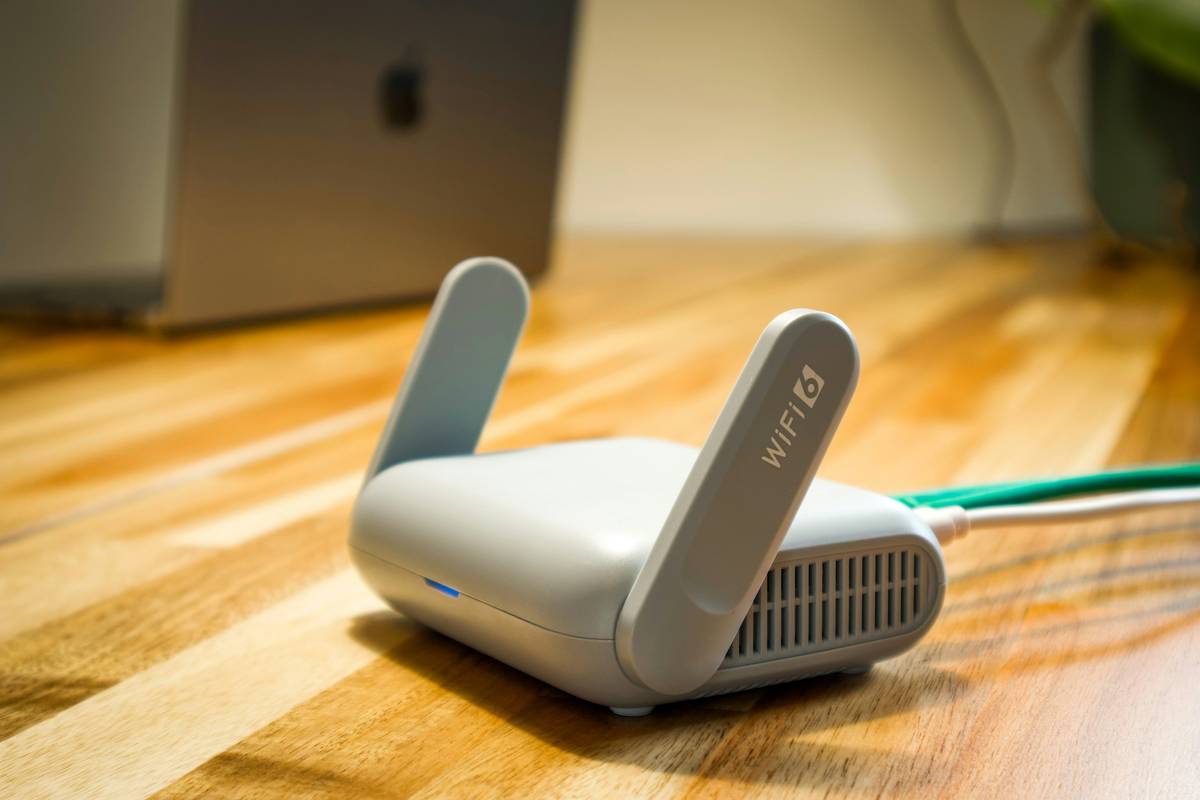
Zigbee? Z-Wave? Wi-Fi? Don’t chase buzzwords. Wi-Fi models work instantly with your existing router—but can clog bandwidth. Zigbee and Z-Wave use mesh networks, which are more stable but require a hub (like Samsung SmartThings or Hubitat). For most homeowners, Wi-Fi smart outlets and switches are the pragmatic launchpad.
Integrate With Real Schedules—Not Just “Away Mode”
Set rules based on behavior, not guesswork. Example: Cut power to your gaming console every weekday at 11 p.m.—unless motion is detected in the room (via a linked sensor). That’s adaptive automation. Not theater.
| Installation Approach | Upfront Cost | Monthly Savings (Est.) | Best For |
|---|---|---|---|
| Plug-in Smart Outlets | $15–$30/unit | $3–$8 | Lamps, chargers, small appliances |
| In-Wall Smart Switches | $25–$50/unit + DIY install | $5–$15 | Lights, ceiling fans, hardwired fixtures |
| Whole-Circuit Smart Panels | $300–$800 + pro install | $20–$60 | Whole-home monitoring (advanced users) |
The Industry Secret: Utilities Are Quietly Subsidizing This Tech
Here’s what no retailer tells you: many U.S. utility companies offer free or heavily discounted smart outlets and switches through conservation programs. Why? Because reducing peak-load demand is cheaper for them than firing up another gas turbine.
In California, PG&E partners with OhmConnect to mail customers free smart plugs when they enroll in “grid response” events. In Texas, CenterPoint Energy gives away Z-Wave switches during summer efficiency drives. Check your provider’s rebate portal—before you buy a single unit. You might pay nothing.
But—and this is critical—these subsidized devices often come locked to proprietary apps. Always confirm compatibility with your preferred ecosystem (Apple Home, Google Home, etc.) before claiming “free” gear.
Frequently Asked Questions
Do smart outlets and switches actually lower electricity bills?
Yes—if used strategically. Cutting phantom loads from 5 high-drain devices can save $10–$25 monthly. Motion-triggered lighting adds further savings.
Can I install smart switches without a neutral wire?
Yes. Brands like Lutron Caséta and some GE Enbrighten models work in older homes lacking neutral wires. Always verify specs before purchasing.
Are smart outlets and switches vulnerable to hacking?
Risk is low but real. Use devices with end-to-end encryption (check for Matter certification), update firmware monthly, and isolate IoT devices on a separate Wi-Fi network.